



Wild Trout Fishing Near Mogollon Rim
Trip Pricing and Availabilities :
Wild Trout Fishing Near Mogollon Rim
Looking for some of Arizona's best wild trout action? You've found it. Our backcountry fishing trips take you into the pristine waters around Payson, where the Mogollon Rim creates perfect habitat for native Gila trout, rainbows, browns, and brook trout. This isn't your typical stocked pond fishing – we're talking about wild fish in their natural element, surrounded by some of the most beautiful country Arizona has to offer. Whether you're a seasoned angler or just getting your feet wet, our local guides know exactly where these fish like to hide and what they're biting on any given day.
What to Expect on the Water
Your day starts with a moderate hike into backcountry waters that most anglers never see. We're talking about crystal-clear streams and hidden pools where wild trout have been thriving for generations. The hike itself is part of the adventure – you'll wind through ponderosa pine forests and along rocky creek beds until we reach those prime fishing spots that only locals know about. Don't worry about waders for this trip; the water levels and access points we use don't require them. Just bring comfortable hiking boots, long pants, and a long-sleeved shirt for protection against brush and sun. Our guides – Hugo, Ryan, and Bare – each bring their own style and decades of combined experience on these waters. You can even request which guide you'd prefer when you book. We keep groups small with a maximum of six people, so you'll get plenty of personal attention and coaching throughout the day.
Techniques and Tactics
Wild trout fishing in Arizona's high country requires a different approach than what you might be used to on stocked waters. These fish are spooky, smart, and selective – but that's what makes catching them so rewarding. We'll be using light tackle and natural presentations, focusing on reading the water to identify where trout are likely to hold. Undercut banks, deep pools, and current seams are all prime real estate. Our guides will teach you how to approach these spots without spooking the fish, proper casting angles to avoid drag, and how to detect those subtle strikes that wild trout are famous for. We'll cover both fly fishing and spinning techniques depending on conditions and your preference. The key is staying quiet, keeping a low profile, and presenting your bait or lure as naturally as possible. These high-elevation streams can be technical, but our guides break it down in ways that make sense whether you're new to the sport or looking to refine your skills.
Top Catches This Season
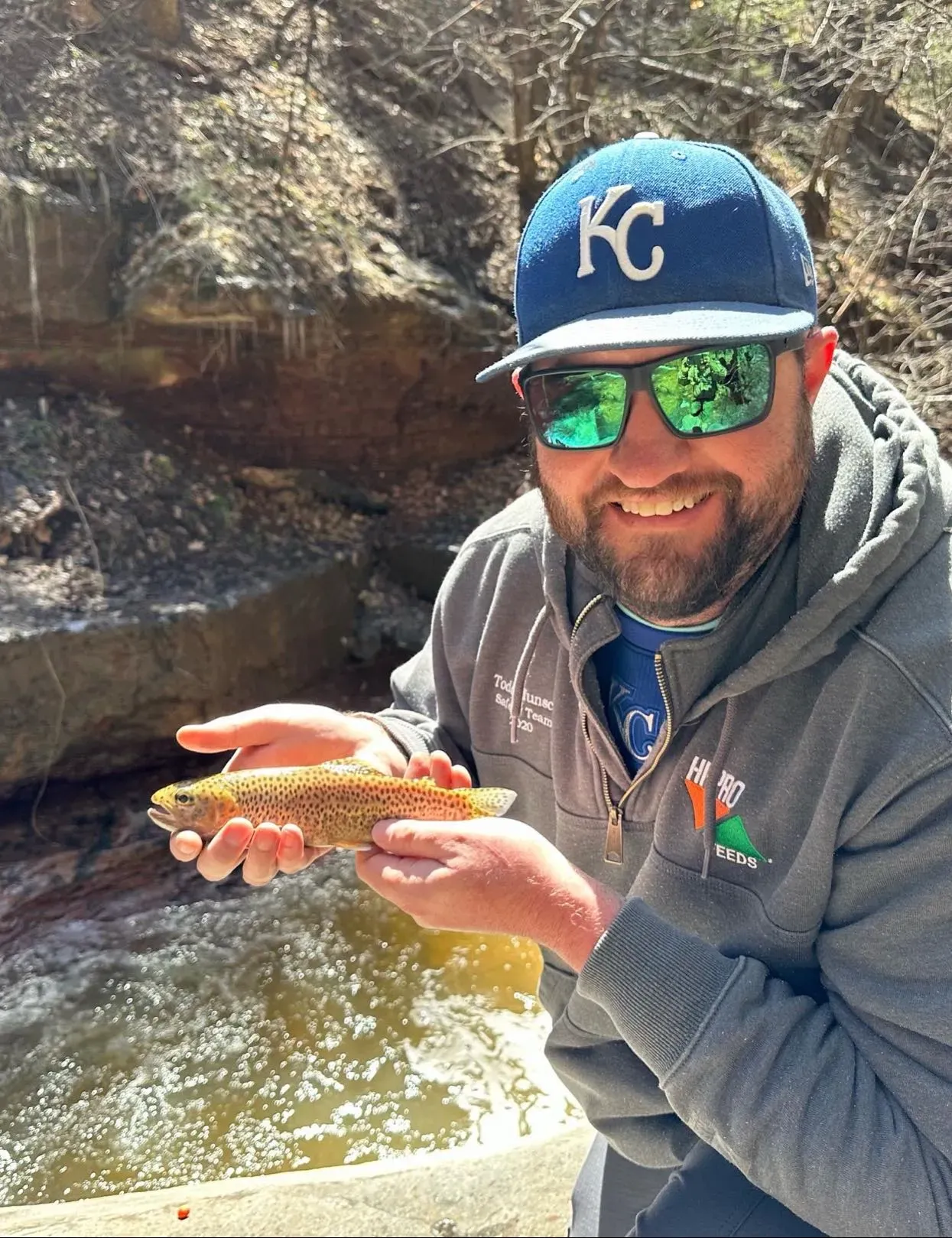
The Gila trout is the real prize here – Arizona's state fish and a true native that you won't find anywhere else in the world. These golden beauties are making a comeback thanks to conservation efforts, and catching one is something special. They're typically smaller than other trout species, running 6-10 inches on average, but their fight is impressive for their size. Spring and early summer are prime time for Gilas when water levels are good and insects are active. Rainbow trout in these waters are descendants of early stockings that have gone wild over the decades. They've adapted to the conditions and can be surprisingly challenging to catch. Browns are the crafty veterans – they grow larger than the other species and are masters at using structure and cover to their advantage. Early morning and evening are your best bets for browns. Brook trout, technically a char, love the coldest, clearest water and put up an amazing fight pound for pound. Their colors are absolutely stunning, especially during spawning season in the fall.
Species You'll Want to Hook
Gila trout are the crown jewel of Arizona fishing. These native fish have adapted to high-elevation streams over thousands of years, developing unique characteristics that set them apart from any other trout species. They're most active during cooler parts of the day and prefer deeper pools and undercut banks where they can dart out to grab insects. What makes catching a Gila special isn't just their rarity – it's their wariness. They've survived in these waters because they're incredibly selective about what they eat and quick to disappear at the first sign of danger. When you do hook one, their golden coloration and distinctive spotting pattern make for an unforgettable photo.
Rainbow trout in our backcountry waters behave differently than their hatchery cousins. These fish have learned to be opportunistic feeders, taking advantage of seasonal insect hatches, terrestrials that fall into the water, and small baitfish. They're most aggressive during spring runoff when water temperatures start warming up and food becomes more abundant. Summer fishing for rainbows focuses on deeper pools during the heat of the day, with better action in early morning and late evening. Their aerial displays when hooked are legendary – expect multiple jumps and long runs that will test your drag settings.
Brown trout are the apex predators in these systems. They can live longer and grow larger than other trout species, with some specimens reaching 20+ inches in our waters. Browns are notorious for their caution, often feeding at night or in low-light conditions. During daylight hours, they stick to heavy cover – logjams, undercut banks, and deep pools where overhanging vegetation provides security. What makes browns exciting to target is their predatory nature. As they grow, they start eating more baitfish, crayfish, and larger insects. This means you can use bigger lures and flies, and when a big brown decides to eat, the strike is often violent and unmistakable.
Brook trout bring a different energy to the mix. These fish love cold, highly oxygenated water and are often found in the headwaters of our streams. They're aggressive feeders, especially during spring and fall, and will often hit lures and flies that other species ignore. Brook trout are also the most colorful – their olive backs with worm-like markings, red spots with blue halos, and bright orange fins make them a photographer's dream. They spawn in the fall, and during this time,
About the Aluminum Jon Skiff

Vehicle Guest Capacity: 4
Manufacturer Name: Mercury
Maximum Cruising Speed: 20
Number of Engines: 1
Horsepower per Engine: 60