



Arizona Trout Fishing Near the Mogollon Rim
Trip Pricing and Availabilities :
Arizona Trout Fishing Near Mogollon Rim
Arizona's high country holds some seriously underrated trout water, and we're talking about the kind of spots that'll make you forget you're in the desert Southwest. Near Payson and the famous Mogollon Rim, crystal-clear mountain streams cut through pine forests, creating perfect habitat for wild trout that fight harder than you'd expect at this elevation. This isn't your typical guided fishing trip where you sit in a boat all day – we hike to reach the best holes, wade through pocket water, and work flies and lures in places most anglers never see. With Lo Water Guide Service, you're getting access to productive water that produces Gila trout, rainbows, browns, and brook trout year-round. Our guides Hugo, Ryan, and Bare know these waters like the back of their hands, and you can even request which guide you'd prefer to fish with.
What to Expect on the Water
This is backcountry fishing at its finest, which means we start with a hike to reach the prime spots. Don't worry – it's not a death march, but you'll want to come prepared with hiking boots and long pants. The terrain around Payson varies from gentle creek walks to steeper canyon approaches, depending on which drainage we decide to hit based on conditions and what's been producing. You won't need waders for this trip, but the brush can be thick in spots, so long sleeves are your friend. The altitude here sits around 5,000 feet, so the air's crisp and the water stays cold even in summer – perfect trout habitat. We fish pocket water, deeper pools carved by spring runoff, and undercut banks where smart trout hide from the Arizona sun. The beauty of these waters is their diversity; you might be working a dry fly over a shallow riffle one minute and drifting a nymph through a deep plunge pool the next.
Techniques and Tackle
These Arizona mountain streams respond well to a variety of techniques, and we adjust based on what the fish are telling us each day. Fly fishing dominates here – think small dry flies like elk hair caddis and Adams patterns during hatches, with weighted nymphs and streamers working well in deeper water. If you're more of a spin angler, small spinners, spoons, and inline spinners produce consistently. The key is staying light and natural; these trout see plenty of pressure during peak seasons, so finesse beats power every time. We're dealing with relatively small water, so long casts aren't necessary, but accurate presentations matter. Reading the water becomes crucial – learning to spot the seams, eddies, and undercuts where trout hold. Our guides carry backup gear and can set you up with appropriate tackle if needed, but if you have a favorite 4 or 5 weight fly rod, bring it along. The fight on light tackle in this clear water is something you'll remember long after the trip ends.
Top Catches This Season
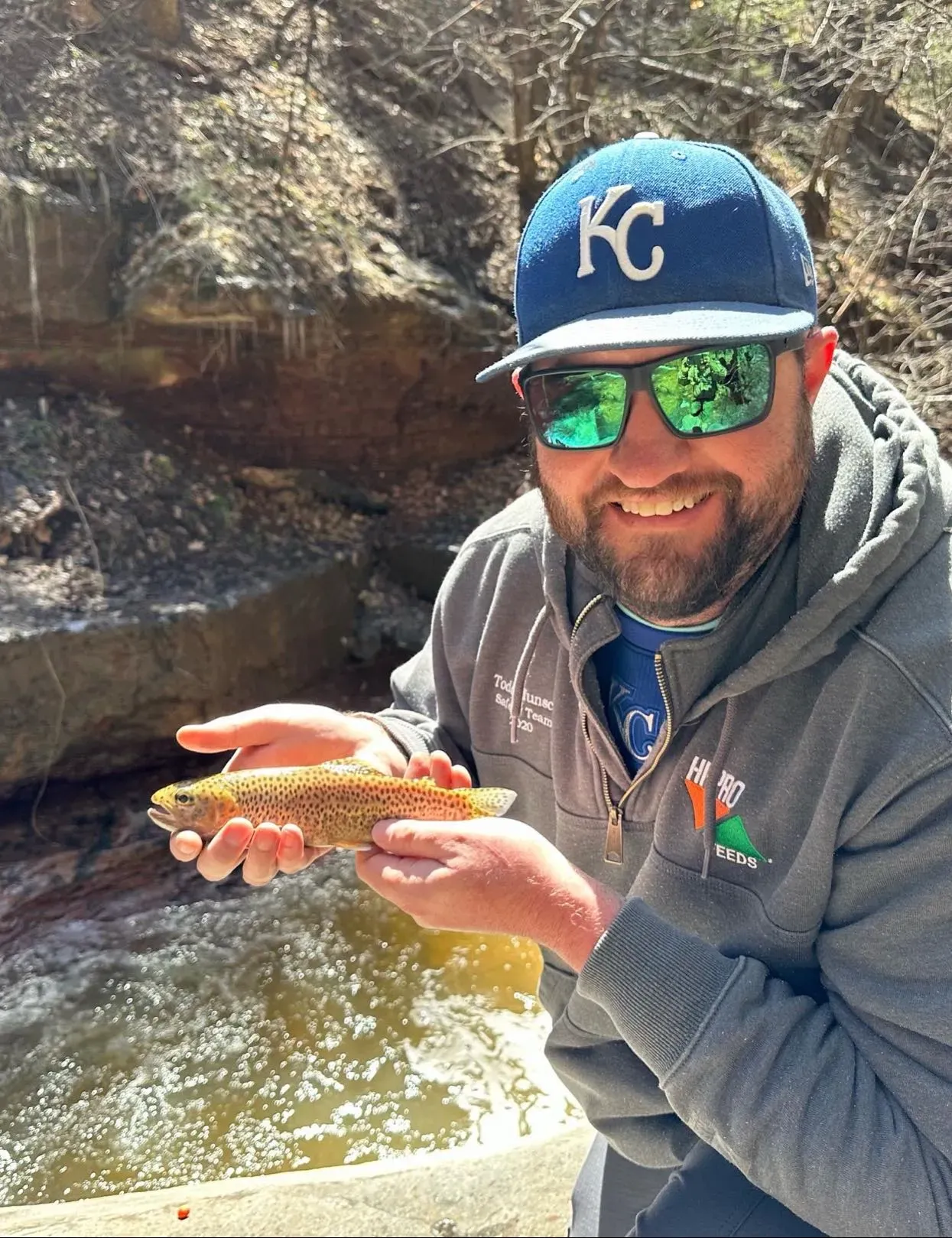
Wild Gila trout are the crown jewel of Arizona fishing, and these waters offer legitimate shots at this native species. These aren't your typical hatchery fish – Gilas are scrappy, beautifully colored, and genetically pure representatives of what swam these streams centuries ago. They average 8-12 inches but pack a punch that'll surprise you. Rainbow trout make up the bulk of most catches here, with wild fish showing the kind of colors and strength you'd expect from cold, clean water. Browns are the ghosts of these systems – harder to fool but absolutely worth the effort when you connect. They tend to hold in the deepest pools and under the gnarliest cover. Brook trout, while less common, show up in the higher elevation tributaries and offer that classic beauty that makes them a favorite among trout purists. What makes fishing here special isn't necessarily the size – though 14-16 inch fish certainly show up – but the wildness of the setting and the pure strain genetics of these fish.
Species You'll Want to Hook
Gila trout represent something truly special in the Southwest fishing world. These native beauties are found nowhere else on earth, and Arizona's restoration efforts have brought them back from the brink. They're aggressive feeders during morning and evening periods, often rising to dry flies when other species stay deep. Their golden flanks and distinctive spotting pattern make them easy to identify, and their fight is pure wildness – expect jumping, runs toward cover, and the kind of determination that comes from thousands of years of evolution in these exact waters. Peak season runs from late spring through early fall, but they feed actively year-round in the right conditions.
Rainbow trout in these systems show characteristics of both wild genetics and adaptability to Arizona's unique environment. They average 10-14 inches with occasional fish pushing 16-18 inches in the deeper pools. These rainbows are opportunistic feeders, taking everything from terrestrial insects blown in from the surrounding forest to aquatic nymphs drifted naturally through their lies. Their coloration here tends toward silver with that classic pink stripe, but the high-altitude sun and clean water intensify their hues beyond what you'd see in lower elevation fisheries.
Brown trout behavior in Arizona's mountain streams follows classic patterns – they're the wariest species, often holding in spots that seem impossible to fish effectively. They're primarily ambush predators here, lying in wait under cut banks or in the shadow of large boulders. Early morning and late evening produce the best brown trout action, particularly with streamers worked through their holding water. A 12-inch brown from these waters fights like an 18-inch fish from easier water, and their autumn spawning colors against the backdrop of changing aspens create fishing memories that last a lifetime.
Time to Book Your Spot
Arizona trout fishing near Payson offers year-round opportunities, but spring, summer, and fall weekends book fast for good reason. The combination of accessible location, diverse species, and knowledgeable guides makes this a top-rated choice for
About the Aluminum Jon Skiff

Vehicle Guest Capacity: 4
Manufacturer Name: Mercury
Maximum Cruising Speed: 20
Number of Engines: 1
Horsepower per Engine: 60